


Subtotal $0.00

Introduction: The Pain Behind the Quiet
Emotional abuse is not always marked by shouting, bruises, or visible harm. Often, it hides behind smiles, long silences, or phrases that sound loving but cut deep beneath the surface. It begins subtly — a dismissive comment, a controlling tone, or a sarcastic joke — and grows into a pattern of manipulation that gradually erodes confidence and self-worth. Many victims endure this in silence, unsure if what they’re experiencing even qualifies as “abuse.”
1. Understanding Emotional Abuse
1.1 What It Really Means
Emotional abuse is a deliberate pattern of behaviour meant to dominate or control another person through words, silence, or emotional manipulation. It’s a form of psychological violence that targets a person’s sense of identity and safety. Unlike physical abuse, emotional abuse doesn’t leave visible scars — it attacks from the inside, leaving wounds that are invisible yet deeply painful.
At its heart, emotional abuse is about power. The abuser seeks to control the victim’s thoughts, emotions, and even their perception of reality. Over time, victims begin to doubt themselves, question their own memories, and lose faith in their judgment.
2. The Silent Signs Few People Notice
Emotional abuse often grows quietly. It rarely begins with shouting or rage — it begins with manipulation disguised as care. The abuser may “joke” at the victim’s expense, withdraw affection to punish them, or twist facts to make them doubt their own mind.
Over time, the victim learns to anticipate the abuser’s moods, walking on eggshells to avoid conflict. They start apologizing for things that aren’t their fault and feeling guilty for simply having emotions. A partner might constantly say, “You’re too sensitive,” or “You’re imagining things,” until the victim begins to believe it.
Gaslighting is one of the most destructive forms of this manipulation. It makes the victim question their reality, turning certainty into confusion. Others may use silence as a weapon — ignoring messages, withholding affection, or refusing to engage until the victim feels desperate for any response.
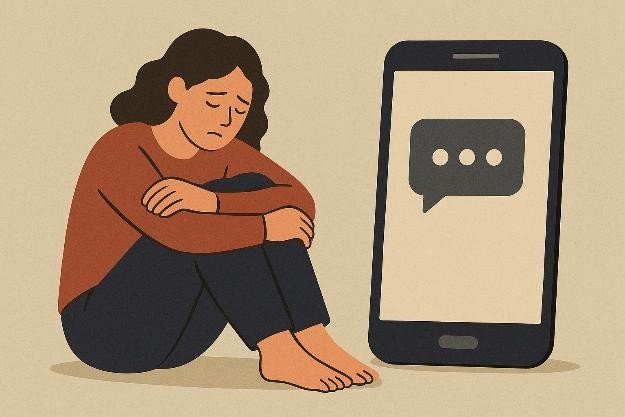
Figure 1: Representation of isolation and control through silence.
3. The Psychology Behind Emotional Abuse
Many abusers operate from deep insecurity or the need to dominate. They often crave validation and control, fearing vulnerability or rejection. By making someone else feel small, they feel powerful — at least temporarily. Yet, this illusion of power comes at a devastating cost to the victim’s emotional health.
Victims, on the other hand, may stay silent for reasons that are as complex as the abuse itself. They might still love the abuser, hoping that things will change. Others remain because they’ve been isolated from friends and family or have been made to believe they deserve the treatment. Many victims also fear that speaking up will make things worse.
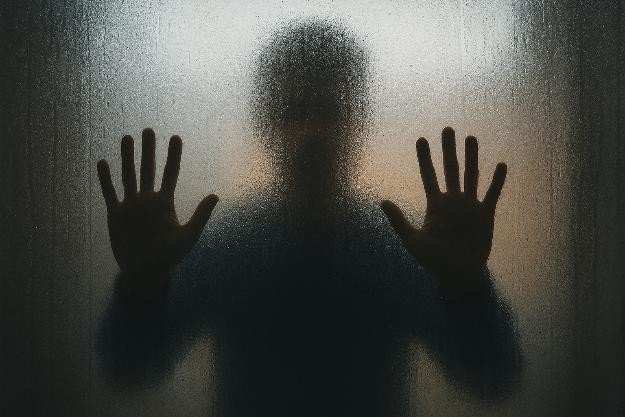
Figure 2: Visual metaphor for isolation and emotional entrapment.
4. The Hidden Impact of Emotional Abuse
Emotional abuse doesn’t just wound the heart; it reshapes the mind and body. Victims often carry an invisible weight — a mix of anxiety, guilt, and exhaustion that lingers long after the abuse ends. They might struggle with sleepless nights, constant tension, and difficulty trusting others. The world starts to feel unsafe, and even small decisions become overwhelming.
Physically, the effects can be profound. Chronic stress from emotional manipulation disrupts the body’s hormonal balance, leading to fatigue, headaches, and digestive problems. Over time, the body begins to mirror the mind’s distress.
The worst part is that many victims still blame themselves. They internalize the abuser’s words — “You’re overreacting,” “You’re impossible to love” — until those lies become part of their self-talk. Healing begins only when they start to separate who they are from what they’ve been told.
5. Recognizing and Breaking the Silence
The first step toward healing is awareness — naming what’s happening. When someone realizes that constant criticism, isolation, or manipulation isn’t “normal,” the fog begins to lift. Awareness restores a sense of clarity that emotional abuse tries to steal.
Setting boundaries is essential. Boundaries are not walls; they are acts of self-respect. Saying “I won’t be spoken to this way” or “I need space right now” is not selfish — it’s survival. Over time, these boundaries help victims rebuild the confidence that was stripped away.
Seeking help can also transform the healing journey. Therapy, support groups, and community organizations provide not just tools for coping, but also the validation that victims are not alone. Talking about emotional abuse publicly — even in small ways — breaks the stigma and empowers others to do the same.

Figure 3: Representation of finding help and connection after emotional isolation.
6. Healing and Rebuilding Life After Abuse
Healing from emotional abuse is not linear. Some days will feel like progress; others will feel like relapsing. What matters is patience — understanding that recovery is not about forgetting the pain, but about learning to live beyond it.
For many survivors, the journey begins with self-compassion. They learn to forgive themselves for staying, for not seeing the signs sooner, or for believing the abuser’s lies. Slowly, they start to reconnect with who they were before the manipulation began. They rediscover hobbies, rebuild friendships, and find joy in moments that once felt impossible.
As survivors heal, they also relearn what love truly means. Real love never silences or controls — it listens, supports, and respects. In this rediscovery lies freedom, and with it, the ability to love again, beginning with oneself.

Figure 4: Symbolic image of renewal and emotional liberation.
Conclusion: From Silence to Strength
Emotional abuse thrives in silence, but silence can be broken. Speaking out — even in a whisper — weakens the power of manipulation. Every survivor who shares their story becomes a light for others still lost in the dark.
Recognizing emotional abuse is not about relieving the pain; it’s about reclaiming truth. Healing does not erase the scars, but it transforms them into symbols of resilience. The voice that was once silenced becomes a voice of power, one that says, “I survived — and I am free.”