

Subtotal $0.00
Chronic illness is not only a medical condition. It is also a lived experience that can reshape identity, relationships, emotional stability, and a person’s sense of control. Although treatment plans often focus on symptoms, medication, and disease management, the psychological burden of long-term illness is equally important. Conditions such as diabetes, autoimmune disorders, chronic pain, cardiovascular disease, respiratory illness, and neurological conditions can affect mood, sleep, self-esteem, motivation, and quality of life.
A holistic understanding of chronic illness requires attention to both the body and the mind. When emotional distress is recognized as part of the illness experience rather than a personal weakness, individuals are more likely to receive compassionate care, appropriate support, and practical tools for adaptation.
The Emotional Weight of Chronic Illness
A chronic illness diagnosis can disrupt a person’s expectations for the future. Many people initially experience shock, fear, denial, confusion, or emotional numbness as they attempt to understand what the diagnosis means for their body, work, family life, finances, and independence. This adjustment process can include grief, particularly when the illness changes what a person can do or how they see themselves.
The emotional burden may become more pronounced when symptoms are unpredictable, painful, invisible, or poorly understood by others. Frustration, sadness, irritability, fear of deterioration, and loss of confidence are common responses. For some individuals, ongoing emotional strain may contribute to depression, anxiety, health-related worry, or trauma responses linked to repeated medical procedures and uncertainty.
The Mind-Body Cycle
The connection between chronic illness and mental health is bidirectional. Physical symptoms can increase emotional distress, while emotional distress can intensify physical symptoms. Chronic pain, for example, may interfere with sleep, concentration, mobility, and social connection. Poor sleep and isolation can then worsen fatigue, mood, and pain sensitivity.
Stress also affects the body through physiological pathways. Persistent stress can influence inflammation, muscle tension, immune functioning, appetite, and energy regulation. This does not mean symptoms are imagined. It means the nervous system, immune system, endocrine system, and emotional life are deeply connected. Effective care should therefore address physical symptoms and psychological well-being at the same time.
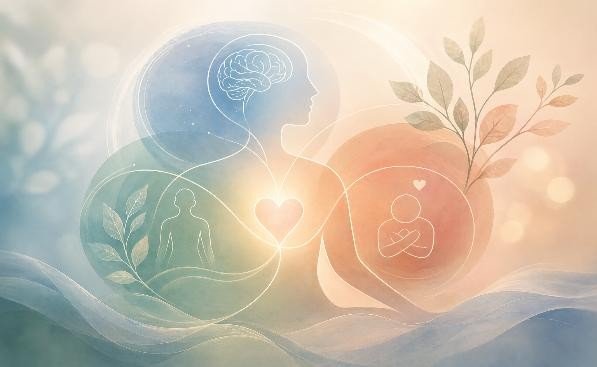
Figure 1. A soft abstract image symbolizing the connection between the body, mind, and emotional well-being.
Isolation and the Loss of Identity
Chronic illness can narrow a person’s world. Symptoms, medical appointments, fatigue, financial pressure, mobility limitations, and fear of flare-ups may reduce participation in work, family activities, community life, and friendships. Over time, this can lead to loneliness and a painful sense of disconnection.
Identity can also be affected. A person who once felt independent, productive, active, or socially engaged may begin to feel defined by illness. This shift can be especially difficult when the condition is invisible and others underestimate its impact. The absence of visible symptoms can lead to invalidating comments, unrealistic expectations, or pressure to keep functioning at the same pace, which may deepen emotional distress.
Stigma and Misunderstanding
Stigma remains a significant barrier for many people living with chronic illness. Some individuals are wrongly perceived as exaggerating, being lazy, seeking attention, or lacking resilience. These assumptions can emerge in workplaces, families, communities, and even healthcare settings. Such responses can silence people, discourage help-seeking, and increase shame.
Compassionate education is essential. Chronic illness involves more than isolated symptoms. It can affect cognition, energy, emotions, relationships, and daily functioning. Greater public understanding can reduce judgment and create environments where people are supported rather than dismissed.

Figure 2. One person standing apart from a blurred crowd, representing isolation, invisibility, and stigma.
Coping Strategies and Professional Support
Mental health support can be an important part of chronic illness care. A qualified mental health professional can help individuals process grief, manage uncertainty, strengthen coping skills, address anxiety or depression, and rebuild a sense of agency. Therapy can also support adjustment to changing abilities, medical trauma, relationship strain, and the emotional fatigue that often accompanies long-term illness.
Helpful coping strategies may include:
• Cognitive Behavioural Therapy: Supports clients in identifying distressing thought patterns, reducing avoidance, strengthening problem-solving skills, and developing healthier responses to illness-related stress.
• Acceptance and Commitment Therapy: Helps clients clarify personal values, increase psychological flexibility, tolerate difficult emotions, and engage in meaningful activities within current health limitations.
• Mindfulness and grounding practices: Breathing exercises, body scans, prayer, meditation, and sensory grounding can help regulate the nervous system, reduce stress reactivity, and increase present-moment awareness.
• Support groups: Safe peer-support spaces can reduce isolation, increase validation, and provide opportunities to learn from others with shared lived experiences.
• Self-compassion: Developing a realistic and compassionate relationship with oneself can reduce shame, soften self-criticism, and support long-term emotional resilience.
• Lifestyle counselling: Structured support can help clients build sustainable routines around sleep, nutrition, movement, pacing, and stress management.
Integrated care is especially important. Collaboration among physicians, nurses, psychotherapists, dietitians, rehabilitation professionals, social workers, and family supports can improve outcomes because it recognizes the whole person, rather than focusing only on the diagnosis.

Figure 3. A supportive circle representing shared healing, connection, and community support.
Moving Toward Holistic Healing
Healing does not always mean returning to life exactly as it was before illness. For many individuals, healing involves adaptation, self-understanding, emotional support, and the gradual reconstruction of meaning. It may include learning new boundaries, accepting help, redefining productivity, and finding ways to experience joy within changed circumstances.
A chronic illness journey can be painful and disruptive, but it can also reveal resilience, courage, and the human capacity to adapt. People deserve care that honours their physical symptoms, emotional pain, cultural context, spiritual resources, family realities, and hopes for the future.
Conclusion: Beyond the Diagnosis
Chronic illness affects the body, but it also influences the mind, emotions, relationships, and sense of self. A diagnosis may change daily life, yet it should not erase dignity, purpose, or hope. Compassionate and comprehensive care must recognize psychological well-being as an essential part of chronic illness management.
A person is never only a diagnosis. Each individual carries a story of endurance, adjustment, vulnerability, and strength. When healthcare systems, families, and communities respond with understanding, people living with chronic illness are better supported to move beyond survival toward stability, meaning, and improved quality of life.
Professional Reflection
| Area of Impact | Common Experience | Supportive Response |
| Emotional health | Anxiety, sadness, grief, fear, or emotional fatigue | Therapy, stress regulation, support groups, and compassionate care |
| Identity | Feeling changed, misunderstood, or defined by illness | Meaning-making, self-compassion, values-based living, and community support |
| Relationships | Isolation, role changes, or difficulty explaining symptoms | Communication support, psychoeducation, and relational counselling |
| Daily functioning | Sleep disruption, fatigue, pain, or reduced motivation | Pacing, routines, medical follow-up, and integrated care |